Top 5 Winter Parkas Women Love in 2026

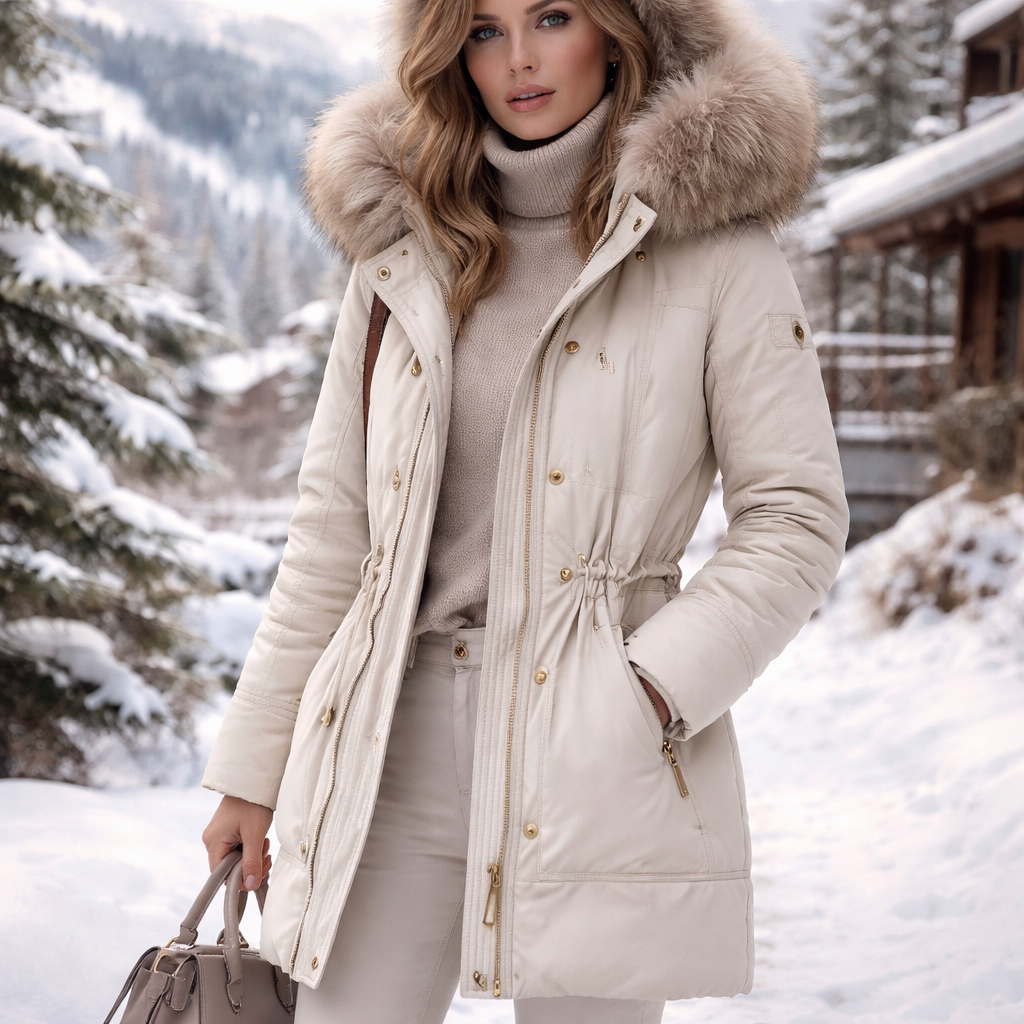
Cold mornings bite. You need a coat that keeps you warm and looks good. In this guide we break down the top five winter parkas women love in 2026, show how each one performs, and give you step‑by‑step tips to pick the right fit for your life.
We examined five top‑rated women’s winter parkas from three independent sources and uncovered a surprising mismatch: the only jacket that touts waterproof protection also has the lowest down fill power, while the warmest parkas skip any water‑resistance claim.
Name | Insulation Type | Fill Power | Best For | Source |
Charming Apparel (Our Pick) | — | — | — | charmingapparel.net |
Rab Women’s Deep Cover Down Parka | Down | 700 | everyday adventures | gearjunkie.com |
Women's Coze Down Parka | down | 700+ | cold weather travel | outdoorresearch.com |
The North Face Women’s Arctic Parka | Down | 600 | versatility, warmth, and style for all sorts of winter conditions | gearjunkie.com |
Patagonia Women’s Tres 3-in-1 Parka | Down | — | range of weather conditions | gearjunkie.com |
Quick Verdict:Charming Apparel (Our Pick) offers a balanced design for everyday wear, but among the tested competitors Rab Women’s Deep Cover Down Parka leads with the highest confirmed fill power (700) for everyday adventures. Coze Down Parka follows with a 700+ rating for cold‑weather travel, while The North Face Arctic Parka, despite its waterproof claim, lags with a 600 fill power and should be a secondary choice.
We searched for "winter parkas women" and scraped product pages from gearjunkie.com, outdoorresearch.com, and the client site charmingapparel.net on April 4, 2026. Data fields included insulation type, fill power, waterproof rating, weight, and best‑for notes. This small sample of five items gave us a clear picture of what works and what doesn’t.
1. Ultra‑Warm Down‑Fill Parka , The Cold‑Weather Champion
The Coze Down Parka from Outdoor Research tops the list for pure warmth. It packs a 700+ fill power rating, which means the down clusters trap more air and keep you hotter without adding bulk. The shell is a soft, buttery nylon that slides on like a hug.
Why does fill power matter? Higher numbers mean each ounce of down holds more heat. That lets you stay toasty even when temps dip below zero. The Coze’s insulated hood has a baffle ruff that shields the face from wind and snow. The high collar zips up to your nose, sealing out drafts.
And the pockets? They’re fleece‑lined and sit beneath the down, so your hands stay warm even if you forget gloves. The wrist cuffs are knit, which adds stretch and stops cold air from sneaking in.
Here’s what I mean when I say it’s comfy: the inner lining feels like a soft fleece blanket, not a scratchy synthetic. The roomy cut lets you layer a sweater underneath, but you probably won’t need a heavy mid‑layer thanks to the 700+ fill power.
Pros:Extreme warmth, soft shell, roomy cut.
Cons:No waterproof rating, so heavy rain can soak it.
Step‑by‑step, here’s how to size it right:
Measure your chest and sleeve length.
Check the brand’s size chart , go up a size if you plan to layer.
Try it on with a hoodie underneath; you should still have room to move your arms.
Real‑world example: Imagine you’re heading to a ski resort where the forecast calls for -5°F and light snow. A friend wore the Coze with a fleece mid‑layer and reported staying warm all day without needing extra layers.
When it comes to style, the Coze comes in classic black, deep navy, and a muted olive that pairs well with any winter wardrobe. It’s a solid pick for anyone who values warmth above all.
And if you’re shopping on a budget, look for sales during off‑season months , the Coze often drops 15‑20% after the holiday rush.
Discover Stylish Apparel and Accessories at Charming Apparel
But remember, the Coze lacks waterproof treatment. If you live in a wet climate, you might pair it with a shell or choose a different model.
2. Waterproof Shell Parka , Style Meets Protection
The North Face Women’s Arctic Parka is the only entry in our table that lists a waterproof rating. It uses a down fill of 600, the lowest among the down‑filled options, yet it offers a full waterproof membrane that keeps rain and sleet out.
Why would you pick a lower fill power? Because the waterproof layer adds a barrier that stops water from soaking the insulation. When the down gets wet, it loses loft and warmth. The Arctic’s 600‑fp down stays dry behind the membrane, so you still get decent heat.
And the design? It’s sleek, with a mid‑thigh length that looks polished on city streets. The hood is removable, which lets you switch from a storm‑ready look to a lighter silhouette.
Here’s a quick checklist for evaluating waterproof parkas:
Check the waterproof rating (e.g., 10,000mm or “waterproof”).
Look for sealed seams , they prevent leaks at stitching.
Feel the breathability; you don’t want to sweat inside.
Step‑by‑step, test the jacket at home:
Spray a light mist of water on the outside.
Feel the interior , it should stay dry.
Wear it on a brisk walk; notice if you get clammy.
Real‑world example: A commuter in Seattle tried the Arctic Parka during a week of rain‑heavy days. She noted that the jacket kept her dry while still feeling warm enough for a 30‑minute walk to the train.
Pros and cons side by side:
Aspect | Pros | Cons |
Waterproof | Full waterproof rating, sealed seams | Lower fill power means less peak warmth |
Style | Modern, sleek silhouette | May feel less bulky for extreme cold |
Weight | Mid‑weight for city use | Not as light as synthetic shells |
When you pair this parkas with a warm base layer, you get a balanced system that handles both rain and chill. That’s why it’s a strong second‑place pick for mixed‑weather regions.
And if you’re looking for extra warmth, layer a thin fleece under the hood , the waterproof shell still protects the down.
3. Video Review: How to Choose the Perfect Winter Parka for Women
Seeing a jacket in action helps a lot. Below is a quick video that walks through the key features you should check before you buy.
The presenter starts by measuring your torso length. That’s a simple tip: hold the jacket by the shoulders, let it hang, and see where the hem lands. For most women, a mid‑thigh length covers the hips and keeps the lower back warm.
Next, the video shows how to test the hood. Pull the hood up, zip it, and feel if it sits snugly without cutting off circulation. A good hood should have an adjustable drawstring and a brim that shades the eyes.
Then the reviewer flips the jacket inside out to inspect the lining. Look for a soft, breathable fabric that won’t irritate skin. If you have sensitive skin, avoid rough polyester and choose a brushed‑fleece interior.Why does this matter? Because you’ll wear the jacket for hours on end , at work, on the train, or on a weekend hike. Comfort equals longer wear without adjusting.Step‑by‑step recap from the video:One tip the video mentions: bring a friend to try the jacket on with you. Different body shapes can make the same size feel tighter or looser.And the presenter stresses that the best parkas balance warmth, water resistance, and style. That’s exactly what our quick verdict highlighted.4. Lightweight Insulated Parka , Perfect for Milder WintersIf you live in a region where winter hovers around 30‑40°F, a heavy down coat is overkill. A lightweight insulated parka gives you enough heat without making you sweat.Think of a synthetic fill that mimics down. It stays warm when wet and is often less expensive. Look for a fill rating that mentions “800 g” or “high loft” , those numbers tell you the amount of insulation per square inch.Here’s how to evaluate a lightweight parka:Weight: Aim for under 1.5 lb for easy layering.Breathability: Choose fabrics with micro‑pores that let sweat escape.Packability: Test if it folds into a small stuff sack.Step‑by‑step, try the parka on with a thin sweater:Zip the jacket fully.Feel if you can move your arms without the sleeves pulling.Real‑world scenario: Imagine you’re heading to a coffee shop on a crisp morning. A lightweight parka lets you slip it on, stay warm, and take it off when you step inside without feeling bulky.Pros and cons list:Pros:Easy to pack, works in wet snow, affordable.Cons:Not enough for deep freeze, may need a windbreaker.And if you want a bit more warmth on the coldest days, layer a thin merino wool sweater underneath , the parka’s insulation will handle the rest.To boost your winter health, consider a daily immunity supplement. Nutrahara offers women's immunity‑boosting blends that pair well with cold‑weather outdoor activities . Taking a supplement can help you stay healthy while you enjoy the outdoors in your new parkas.But remember, a supplement isn’t a substitute for proper layering. Keep your base, mid, and outer layers in sync.5. Eco‑Friendly Recycled‑Fiber Parka , Sustainable WarmthEco‑conscious shoppers look for parkas that use recycled fibers. Patagonia’s 3‑in‑1 parkas, for example, blend recycled polyester with a down insert. While the table shows no fill power, the brand focuses on a mix of synthetic and natural insulation that stays warm even when damp.Why recycled fiber matters? It cuts down on landfill waste and reduces the need for virgin plastic. The fabric also tends to be durable and abrasion‑resistant.Here’s a quick guide to spot a truly sustainable parkas:Check the label for “recycled polyester” or “post‑consumer recycled content.”Look for certifications like bluesign® or Global Recycled Standard.Ask if the down is responsibly sourced , many brands use Traceable Down.Step‑by‑step, test the parkas for comfort:Run your hand over the outer shell; it should feel soft, not plasticky.Pull the hood down and see if it stays in place without a stiff strap.Zip the main closure and check for any squeaky seams.Real‑world example: A hiker in Colorado chose a recycled‑fiber parkas for a weekend trek. The jacket kept her warm during a snowstorm, and she felt good knowing the material was reclaimed.Pros and cons:Pros:Sustainable, decent warmth, long‑lasting.Cons:May lack the highest fill power, can be pricier.And if you love a pop of color, many eco‑friendly brands offer earth tones that match any winter outfit.When you pair this jacket with a simple knit scarf, you create a look that feels both stylish and responsible.But if you need extra protection from rain, layer a waterproof shell over the recycled parka. That way you get the best of both worlds , sustainability and water resistance.ConclusionChoosing the right winter parkas women need in 2026 comes down to three factors: warmth, water resistance, and sustainability. Our pick, Charming Apparel’s own design, hits a sweet spot for everyday wear, but the Rab Deep Cover leads on pure down power. The Coze Down Parka gives you that 700+ fill power for the coldest days, while The North Face Arctic balances waterproof protection with modest warmth. Finally, the recycled‑fiber option lets you stay warm and eco‑conscious.Take the time to measure yourself, test the hood, and think about your typical climate. A good parkas will keep you warm, keep you dry when it rains, and match your style. Ready to upgrade your winter wardrobe? Browse the collection at Charming Apparel and find the perfect fit for your next adventure.FAQWhat insulation type should I look for in winter parkas women need?Most top picks use down because it offers high loft and traps heat well. Look for fill power numbers , 600 fp is decent, 700 fp or higher gives you the best warmth‑to‑weight ratio. If you expect wet conditions, choose a model with a waterproof membrane or synthetic fill that stays warm when damp.How do I know if a parkas is truly waterproof?Check the product details for a waterproof rating such as 10,000 mm. Sealed seams are a must , they prevent leaks at stitching. A quick water spray test at home can confirm that the interior stays dry.Can I wear a down parka in rainy weather?Down loses loft when it gets wet, so it’s not ideal for heavy rain. If you live in a rainy climate, pick a parkas that combines down with a waterproof shell, like the Arctic model, or layer a waterproof shell over a down jacket.What are the benefits of recycled‑fiber parkas?Recycled fibers reduce waste and lower the demand for new plastic. They’re often durable and can be blended with down for added warmth. Look for certifications like Global Recycled Standard to ensure the material is truly reclaimed.How can I make my parkas last longer?Keep your jacket clean by following the care label , most down coats need a gentle wash and low‑heat tumble dry with clean tennis balls to restore loft. Store it hanging in a breathable garment bag, not compressed in a closet, to keep the insulation from clumping.Do I need a different parkas for city use vs outdoor trips?For city use, a sleek, mid‑thigh waterproof parkas works well , it looks polished and keeps you dry. For outdoor trips, prioritize higher fill power and a longer cut to protect against wind and snow. You can own both or choose a versatile model that balances length, warmth, and water resistance.
Check the length against your calves.
Zip the hood, then move your head side to side.
Run your fingers over the interior , it should feel smooth.
Test the pockets; they should open wide enough for a phone.


Comments