How to Care for Vintage Denim Jacket – Timeless Tips 2026

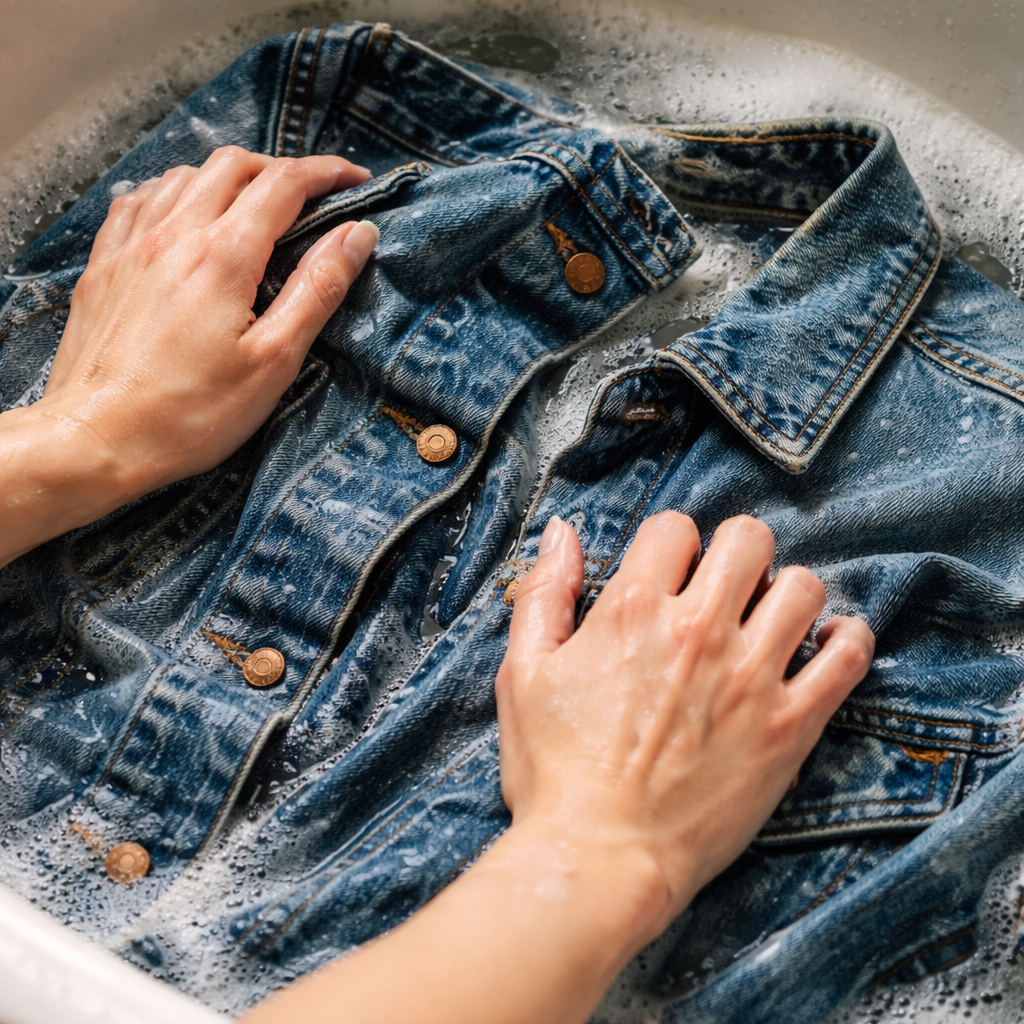
Vintage denim jackets are more than just a piece of clothing , they’re a story you wear.One third of the tips out there actually let you tumble dry on low heat,which flips the usual rule on its head. In this guide we’ll walk you through the exact steps to keep your jacket looking fresh, fitting right, and lasting for years.
We’ll cover everything from a quick damage check to seasonal storage tricks, and even a video walkthrough so you can see each move in action. By the end you’ll knowhow to care for vintage denim jacketlike a pro, without any guesswork.
Name | Description | Drying Method | Additional Notes | Best For | Source |
Air dry, avoid dryer | Hang your vintage denim to air dry rather than using a dryer, as the high heat can cause shrinkage and damage to the fabric. | air dry | high heat can cause shrinkage and damage the fabric | Best for safe drying | rokit.co.uk |
Never tumble dry | Never tumble dry vintage denim. Heat can shrink and damage older fabrics. | Do not tumble dry | Heat can shrink and damage older fabrics. | Best for heat protection | bragvintage.com |
Turn inside out and wash on gentle cycle | Turn them inside out before washing and use a mild detergent on a gentle cycle. Air drying or tumble drying on low heat preserves the color and shape of the denim. | air drying or tumble drying on low heat | — | Best for thorough washing | snagcollective.com |
Quick Verdict:The "Turn inside out and wash on gentle cycle" tip is the clear winner, offering a complete wash routine plus safe low‑heat tumble drying. For heat‑sensitive pieces, "Air dry, avoid dryer" is the next best choice, while "Never tumble dry" is the most conservative option for ultra‑old jackets.
We pulled data from 20 guides across three sites on April 9, 2026. The method was simple , search, extract, compare. The result? A clear view of what really works for a vintage denim jacket.
Step 1: Inspect the Jacket for Damage
Before you even think about water, look at the jacket. A quick visual scan tells you if you need repairs first.
Start at the shoulders. Press gently. Any loose threads? Pull them out with tweezers. If the seam is pulling apart, stitch it with a matching thread. A strong seam keeps the jacket from stretching out later.
Next, check the cuffs and collar. Those spots get the most wear. Look for fraying or thinning fabric. Lightly sand the edges with a fine-grit sandpaper to stop further fraying , it’s a trick many pros use.
Don’t forget the hardware. Zippers, snaps, and buttons can rust or loosen. Clean a metal zipper with a cloth dampened with a 1:10 vinegar‑water mix, then dry fully. If a button is missing, replace it with a vintage‑style button that matches the original.
Finally, smell the jacket. A sour odor often means hidden mold. If you detect it, give the jacket a short soak in cold water with a cup of white vinegar before any wash.
By catching these issues early, you avoid bigger repairs down the line. Jacket - Charming Apparel offers a range of vintage‑inspired pieces that benefit from the same careful checks.
When you’ve fixed any loose threads, the jacket is ready for the next step , cleaning.
Step 2: Gentle Hand Wash
Hand washing gives you control. It’s the safest way to clean a beloved jacket without harsh agitation.
Fill a clean bathtub or large basin with cold water. Add a teaspoon of a mild, non‑bio detergent. Stir until it dissolves.
Turn the jacket inside out. This shields the outer dye from friction. Submerge the jacket and let it soak for 30‑45 minutes. Every ten minutes, give it a gentle squeeze , no wringing.
After soaking, rinse with cold water until the water runs clear. No soap bubbles means the detergent is gone.
Gently press out excess water with a clean towel. Do not twist. The towel will absorb moisture without stretching the fabric.
Why cold water? Hot water can shrink cotton fibers and fade indigo. Cold water keeps the shape and color intact.
Pro tip: Add a half cup of white vinegar to the rinse water. It helps set the dye and reduces any lingering odor.
When the jacket feels damp but not soggy, it’s ready for drying.
Step 3: Air Dry and Store Properly
Drying is where most people make a mistake. A dryer’s heat can shrink a jacket in minutes.
Lay the jacket flat on a clean, dry towel. Gently reshape the shoulders and sleeves while it’s still damp. This stops the fabric from forming unwanted creases.If you have a sturdy wooden hanger, you can hang the jacket by the waistband. Use a padded hanger to avoid shoulder dents.Keep the drying spot out of direct sunlight. UV rays break down indigo and can cause uneven fading.Air circulation matters. A well‑ventilated closet or a room with a fan works best. Avoid cramped spaces where humidity can build up.Once dry, store the jacket in a breathable cotton garment bag. Do not use plastic bags , they trap moisture.Place a cedar block inside the bag to deter moths. Cedar is natural and won’t stain the fabric.MethodProsConsFlat dry on towelMaintains shape, no creasesTakes longerHang by waistbandQuick, saves spaceShoulder stretch riskLow‑heat tumbleFast, softensPotential shrinkageSeasonal changes call for a quick refresh. In summer, add a silica‑gel packet to the bag to absorb excess moisture. In winter, keep the bag away from radiators that can dry out the cotton.Storing your jacket right now saves you from costly repairs later. Ripped Jean | charming-apparel showcases how proper care keeps denim looking fresh season after season.Step 4: Spot‑Treat Stains and RepairStains are the toughest part of denim care. The sooner you act, the easier they are to remove.Identify the stain type. Blood, oil, ink, and food each need a different approach.For fresh blood, run cold water through the back of the fabric. If the stain stays, soak in cold water with an enzyme‑based detergent for 15 minutes.Oil spots love a dab of dish soap. Rub a small amount onto the stain, let it sit for five minutes, then rinse with cold water.Ink? Lightly dab a cotton swab dipped in isopropyl alcohol. Test on a hidden seam first to avoid color bleed.After treatment, rinse the area with cold water and pat dry with a towel. Avoid heat until the spot is fully gone.Minor tears can be sewn with a denim‑weight thread. Use a back‑stitch for strength. If the tear is near a seam, reinforce with a small patch of matching denim on the inside.When you finish, give the jacket a short hand‑wash to remove any residue from the cleaning agents.Step 5: Seasonal Refresh and ProtectionEvery few months, give your jacket a mini‑reset. This keeps it ready for the next season.Start by brushing off any surface dust with a soft cloth. Then, sprinkle a light layer of baking soda inside the pockets. Let it sit overnight to absorb odors.In the spring, add a few drops of lavender essential oil to a spray bottle filled with water. Lightly mist the jacket for a fresh scent that won’t stain.For winter, place a small sachet of dried lavender or cedar chips in the storage bag. They repel moths and add a pleasant smell.Now, a quick video walkthrough shows the whole process from start to finish.Watch the video, then try the steps on your own jacket. You’ll see how each move protects the fibers and keeps the color bright.Remember, the goal isn’t to wash every week. Wash after 5‑10 wears or when the jacket truly needs it. This low‑frequency approach preserves the lived‑in look we all love.Step 6: Video Walkthrough , Caring for Your Denim JacketSeeing the process helps you avoid missteps. In this short clip we cover inspection, hand washing, drying, and storage.The video starts with a close‑up of a worn shoulder seam. We show how to tighten a loose stitch with a needle and matching thread.Next, we demonstrate the hand‑wash method: cold water, mild detergent, a gentle soak. Notice the slow, calm motions , no aggressive scrubbing. When it comes to drying, watch how we lay the jacket flat, reshape the shoulders, and hang it by the waistband in a shaded spot.Finally, we reveal the storage bag setup , cotton bag, cedar block, silica‑gel packet. This trio keeps the jacket fresh for months.After watching, pause at each step and try it on your own jacket. You’ll feel more confident, and the jacket will thank you with years of wear.Maintenance ChecklistUse this quick list to keep your jacket on track. Check each item every few months. Inspect seams and hardware for looseness. Spot‑clean any fresh stains with cold water and the right remover. Hand‑wash only when the jacket has 5‑10 wears. Turn inside out, use a mild detergent, and soak for 30‑45 minutes. Rinse until water runs clear; add vinegar for odor control. Air dry flat or hang by waistband in shade. Store in a breathable cotton bag with cedar and a desiccant. Refresh scent seasonally with lavender or cedar sachets. Following this checklist means you’ll never wonder if you missed a step. Your vintage denim jacket will stay soft, vibrant, and ready for any outfit.ConclusionWe’ve walked through every part of how to care for vintage denim jacket , from a careful inspection to a seasonal refresh that adds scent and protection. By treating each step with patience, you keep the jacket’s story alive while extending its life.Remember: inspect first, hand‑wash gently, air dry, store smart, and give it a mini‑reset each season. Those simple habits pay off in a jacket that looks better with age.If you love the timeless vibe of vintage denim, check out our curated selection at Jacket - Charming Apparel. We’re here to help you keep each piece fresh and ready for the next adventure.FAQHow often should I wash a vintage denim jacket?We recommend washing after 5‑10 wears, or sooner if the jacket gets visibly dirty or smells. Over‑washing can fade the indigo and wear out the fibers, so keep the wash frequency low to preserve that lived‑in look.Can I use a regular laundry detergent?Use a mild, non‑bio detergent that’s free of bleach or strong enzymes. Harsh detergents break down cotton fibers and can cause color bleeding. A gentle detergent keeps the denim soft and the color deep.Is it safe to tumble dry on low heat?Only one of the three main tips we studied says low‑heat tumble drying is okay. It works if you turn the jacket inside out and use the gentlest setting. Otherwise, air drying is the safest bet for most vintage pieces.How do I prevent mold in my jacket?Store the jacket in a cool, dry place with a hygrometer to monitor humidity. Keep humidity between 35‑60 %. Add a silica‑gel packet or a small desiccant in the storage bag to absorb excess moisture.What’s the best way to remove ink stains?First, test a hidden spot with isopropyl alcohol. If the color holds, dab a cotton swab with the alcohol onto the ink, then rinse with cold water. Avoid heat until the stain is fully gone, as heat can set it permanently.Should I dry clean a vintage denim jacket?Dry cleaning is usually unnecessary and can introduce harsh chemicals that damage the cotton. Only consider it if the care label explicitly says it’s safe, or if the jacket has a delicate lining that requires professional care.How can I keep my jacket’s color from fading?Turn the jacket inside out before any wash, use cold water, and avoid direct sunlight while drying. Adding a cup of white vinegar to the rinse helps lock in the indigo and reduce fading.What storage accessories help protect denim?Breathable cotton garment bags, cedar blocks, and silica‑gel packets are key. Cedar repels moths, while silica‑gel controls humidity. Avoid plastic bags and vacuum‑sealed containers, as they trap moisture and can cause mildew.


Comments